Specific to Victoria
by Mike VanderkruykThere are hundreds if not thousands if heritage homes in Victoria. There are three classes to consider. Designated, Registered and Neither. A Registered heritage home does not restrict any future actions proposed by an owner. Alterations to properties on the register only need Council approval if they are protected by a Heritage Designation Bylaw or are within a Heritage Conservation Area (HCA).A Designated heritage home may not be altered without the formal approval of Council to ensure distinguishing features are conserved and cannot be demolished without the consent of Council. If a heritage style home is neither Registered or Heritage then is is treated like any other house.
Local incentives:
The City of Victoria has grant programs for improvements to heritage-designated houses. Grants are also available for designated commercial, industrial and institutional properties anywhere in the City. These building types are eligible for the Tax Incentive Program for seismic upgrades and façade rehabilitation in residential conversions and commercial property improvements. For more details visit the City of Victoria Website.The following article is article courtesy of Royal LePage https://blog.royallepage.caArchitecturally-unique with a charming elegance, Heritage homes hold a special place in the hearts of homeowners and history enthusiasts alike. Their timeless designs, intricate details, and distinguished past make them a popular choice for buyers seeking a property with character. However, owning a home that’s stood the test of time comes with its own set of challenges. If you’re considering investing in a Heritage home, this guide will walk you through key details to consider and questions to ask before making your decision.
What exactly is a ‘Heritage home’?
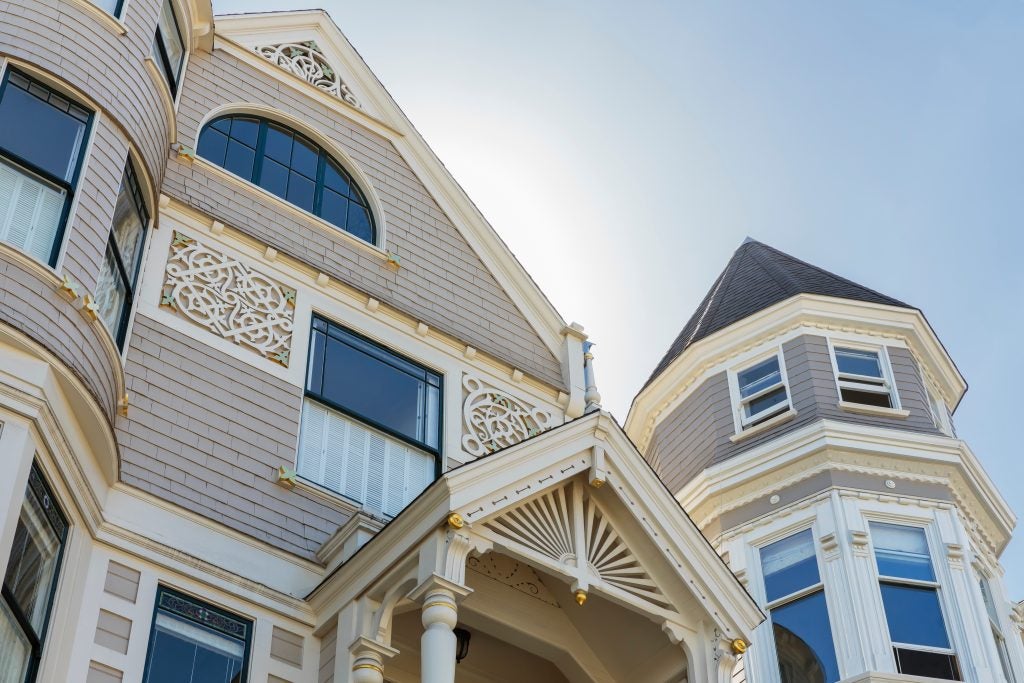
A Heritage home often refers to a property that is at least 100 years old. These homes are often recognized for their distinctive architecture, handcrafted features, and historical significance. From Victorian mansions to quaint farmhouses, Heritage homes showcase the design trends of their era, making each one a unique piece of history.While they offer undeniable charm, it’s important to remember that Heritage homes may require more maintenance and care than newer builds. Understanding their unique characteristics is the first step in determining if this type of home aligns with your lifestyle and goals.Should you invest in a Heritage home?
Heritage homes have a lot to offer, from their distinctive character to the pride of owning a piece of history. However, they may not be the right fit for you. Consider the following:Benefits:- Unique architectural details such as crown molding, hardwood floors, and stained-glass windows
- Larger lot sizes and mature landscaping that are often hard to find in modern developments
- The charm and prestige of owning a historically-significant property
- Older homes often have outdated systems, such as plumbing, wiring, and insulation, which may require costly updates
- Potential for hidden issues, such as foundation cracks or outdated building materials like lead paint or asbestos
- Maintenance demands can be higher compared to newer homes
- Heritage designations can sometimes prevent desired updates
What red flags should I look out for when shopping for?
As you walk through a Heritage home, here are some red flags you can look for without needing specialized tools or expertise:- Uneven floors: Notice if the floors feel sloped or saggy – this could indicate structural or foundation issues.
- Drafts around windows and doors: Check for drafts by feeling with your hand or using a lit incense stick, watching for uneven smoke movement. This may suggest poor insulation or aging window frames.
- Cracks in walls or ceilings: Visible cracks, especially near windows and doors, can be signs of settling or structural problems.
- Peeling paint or stains: Water stains on ceilings or walls may point to roof leaks or plumbing issues.
- Mildew or musty smells: These odours could indicate moisture problems or hidden mould.
- Doors and windows that stick: Difficulty opening or closing doors and windows might signal foundation shifting.
- Rusty or corroded fixtures: Look for rust on pipes, radiators, or other metal fixtures, which could hint at plumbing concerns.
- Exterior wear and tear: Examine the condition of siding, roofing, and gutters for signs of neglect or age.
What questions should I ask before purchasing a heritage home?
Ask these 10 questions when shopping for a heritage home to ensure you’re making an informed decision:- What is the home’s maintenance and renovation history?
- Are there any heritage restrictions on the property?
- What do the inspection reports reveal?
- What’s the condition of the foundation and basement?
- What heating system is being used?
- Have the windows or doors been replaced? If so, when?
- If there’s a chimney, does it require repair/replacement?
- Are there receipts/warranties for any past work?
- Are there programs or grants available in the area to help offset any replacement or renovation costs?
- Are there any pest problems?